PONGAL 2026 : Date, Origin, Significance, Rituals, Dishes

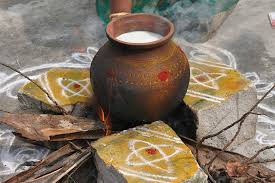
The Pongal festival is a multi-day Tamil harvest festival that is a celebration of gratitude to the Sun God, Mother Nature, and farm animals for a bountiful harvest. The word “Pongal” means “to boil over” or “overflow” in Tamil, symbolizing abundance and prosperity.
Source : Unsplash
For 2026, the Pongal festival will be celebrated over four days from January 13 to January 16, 2026.
It is primarily marked by Tamilians and is celebrated alongside the festivals of Makar Sankranti in Eastern India, Sankranthi in Andhra Pradesh, Telangana, Makara Sankranthi in Karnataka, Lohri in Punjab, and Uttarayan in Gujarat. It is a four-day festival in which devotees worship the Sun God, marking the sun’s journey northward.
Days and Significance
- Bhogi Pongal (January 13): The first day is for renewal and cleansing. People discard old belongings in a bonfire to symbolize a fresh start and the removal of negativity. Homes are cleaned and decorated with
kolam(decorative patterns made with rice flour). - Thai Pongal / Surya Pongal (January 14): This is the main day, dedicated to the Sun God, Surya. Families cook the traditional sweet dish called Pongal (made with newly harvested rice, milk, and jaggery) in a new pot, often outdoors. The moment it boils over is celebrated with shouts of “Pongalo Pongal!”.
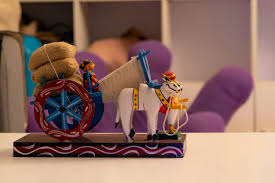
- Mattu Pongal (January 15): The third day honors cattle, which are integral to farming life. Cows and bulls are bathed, their horns are painted and decorated with garlands and bells, and they are fed special treats. In some regions, the traditional bull-taming sport, Jallikattu, is part of the festivities.
- Kaanum Pongal (January 16): The final day is for community and family bonding. People visit relatives and friends, share festive meals, exchange gifts, and participate in cultural events and traditional folk dances.
Traditions :
- Traditional Dishes: The main dish is Pongal, a sweet or savory rice dish. Other delicacies like Pongal Kootu (a vegetable and lentil stew) and Kara Murukku (a crispy snack) are also prepared.
- Decorations: Homes are decorated with mango leaves, banana leaves, fresh flowers, and elaborate
kolamdesigns at the entrance. Sugarcane stalks are also an important decoration, symbolizing prosperity. - Community Events: Temples and cultural centers organize fairs (Pongal mela) with handicrafts, traditional games (like Uri Adithal or pot-breaking), and music performances to strengthen social bonds.