15 Unmissable Places to Visit in Milan, Italy (2026 Guide)

Milan, Italy, is a sophisticated blend of high-fashion, historic masterpieces, and vibrant modern districts. Whether you are visiting for its iconic Gothic architecture or its world-renowned aperitivo culture, the city offers a diverse range of activities for every traveler.
Top Places to Visit in Milan, Italy : –
Iconic Landmarks and Historical Sites
1] Duomo di Milano & The Rooftop Terraces :
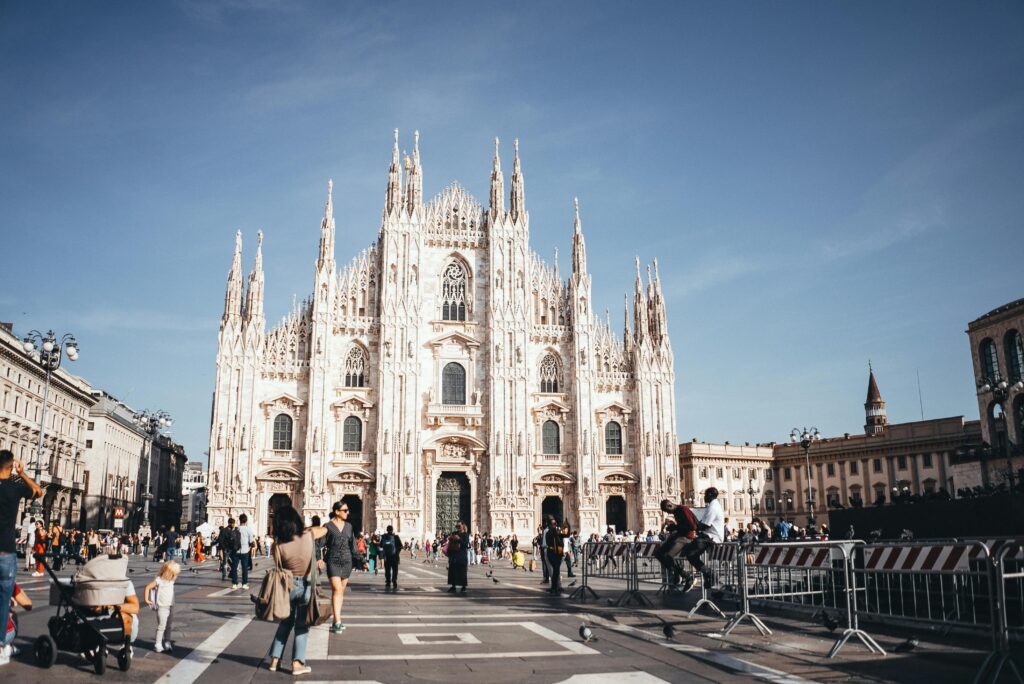
The Duomo di Milano Terraces offer a unique experience as the only fully accessible Gothic cathedral rooftop in the world, allowing you to walk through a “forest” of 135 marble spires and over 3,400 statues.
2] Basilica di Santa Maria delle Grazie :
It is a world- renowned Renaissance church and Dominican convent, primarily famous for housing Leonardo da Vinci’s mural, The Last Supper. Recognized as a UNESCO World Heritage site since 1980, the complex is a masterpiece of architectural harmony, blending Gothic and Renaissance styles.
3] Galleria Vittorio Emanuele II :
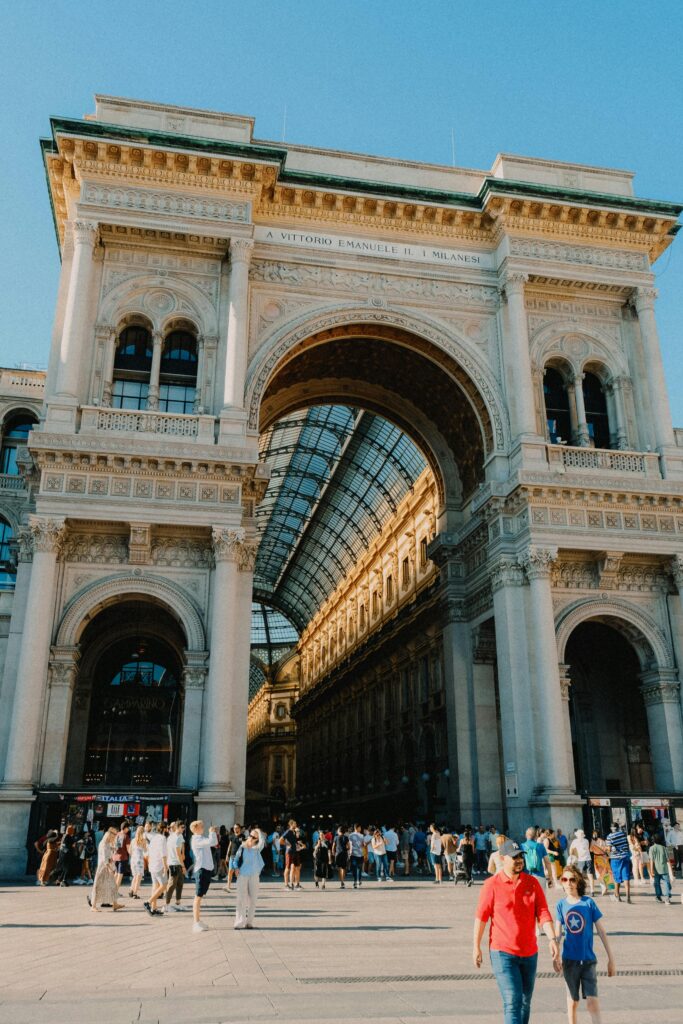
It is Italy’s oldest active shopping mall and a premier architectural landmark in Milan. Often called “il salotto di Milano” (Milan’s drawing room), this four-story double arcade connects the Piazza del Duomo to Piazza della Scala through a magnificent iron-and-glass vaulted structure.
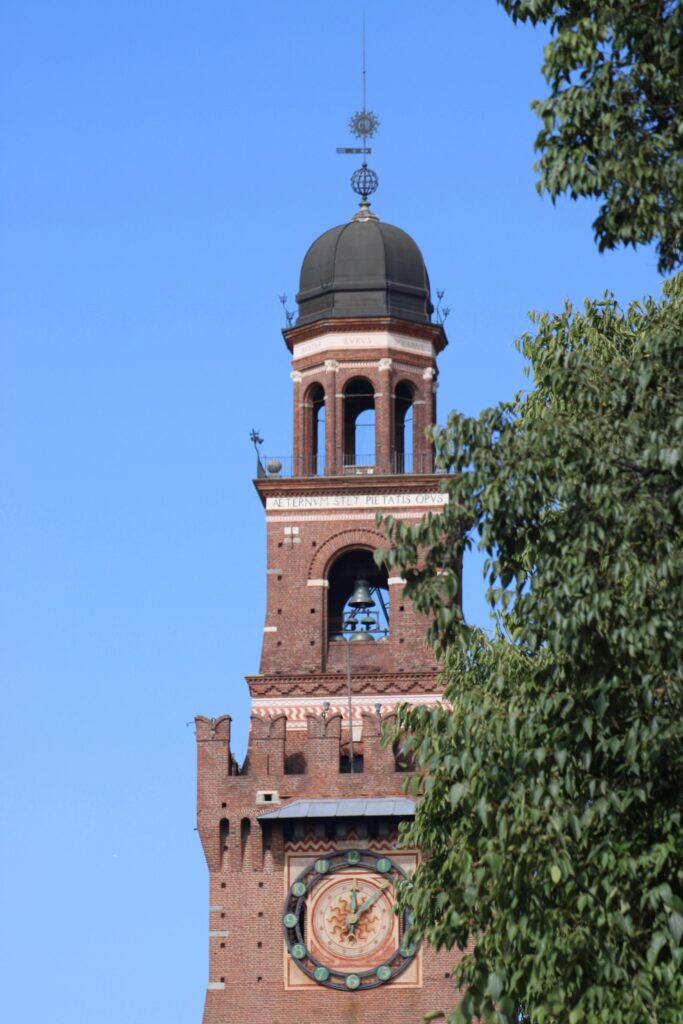
4] Sforzesco Castle :
It is a majestic 15th-century fortress and one of the most iconic landmarks in Milan, Italy. Originally built by the Visconti family and later reconstructed by Francesco Sforza, Duke of Milan, it served as a symbol of power and a residence for the city’s rulers during the Renaissance.
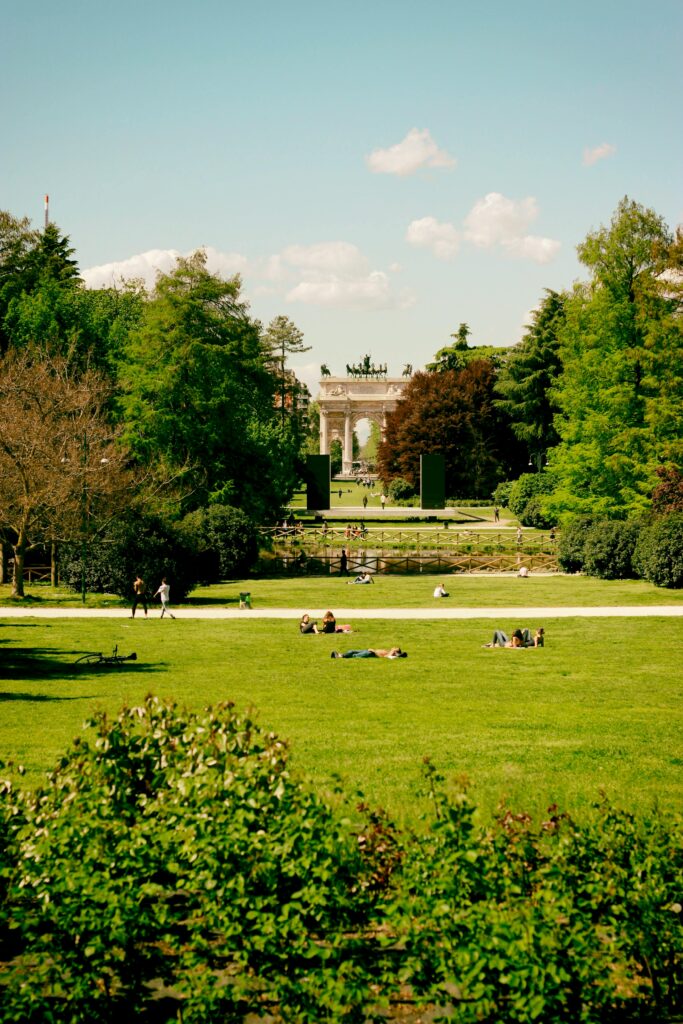
5] Sempione Park :
It is Milan’s “green lung,” a sprawling 40-hectare English-style garden located in the historic heart of the city. Nestled between the Castello Sforzesco and the Arco della Pace, it is the city’s most popular public park, offering a blend of nature, historical monuments, and cultural institutions.
Artistic and Cultural Hubs
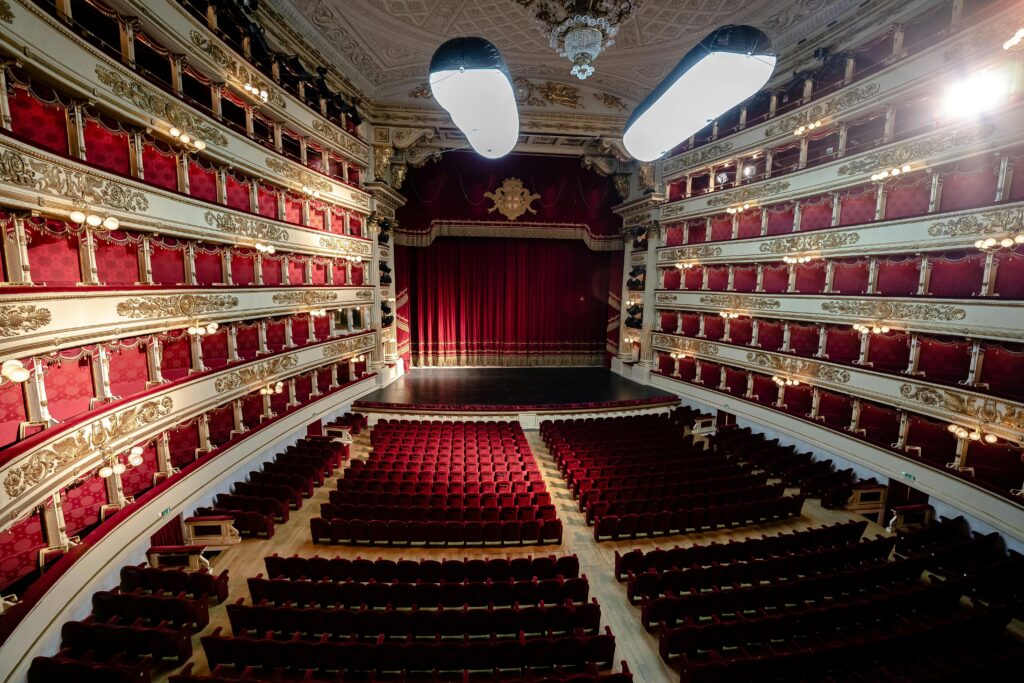
5] Teatro alla Scala :
Teatro alla Scala , located in Milan, Italy, is widely considered the world’s most prestigious opera house. Inaugurated on 3 August 1778, it was commissioned by Empress Maria Theresa of Austria to replace the Royal Ducal Theatre after it was destroyed by fire. Designed by neoclassical architect Giuseppe Piermarini, it stands on the former site of the church of Santa Maria alla Scala, from which it takes its name.
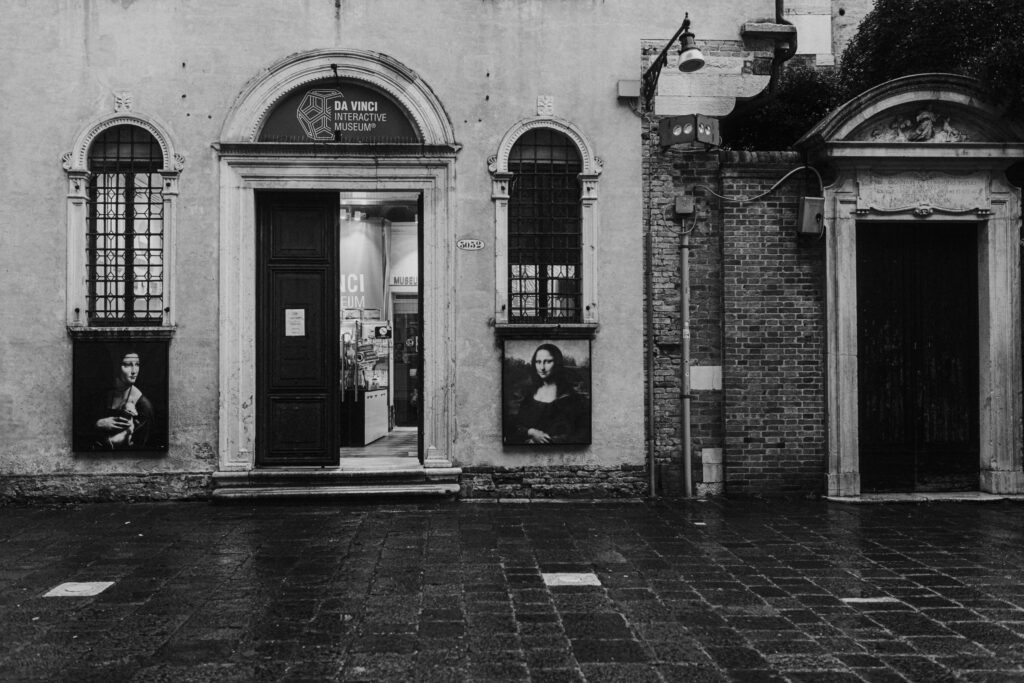
6] Leonardo da Vinci National Museum of Science and Technology :
It is the largest science and technology museum in Italy and one of the most important in Europe. Housed in a 16th-century Olivetan monastery, it covers over 50,000 square metres and features approximately 16,000 historical objects.
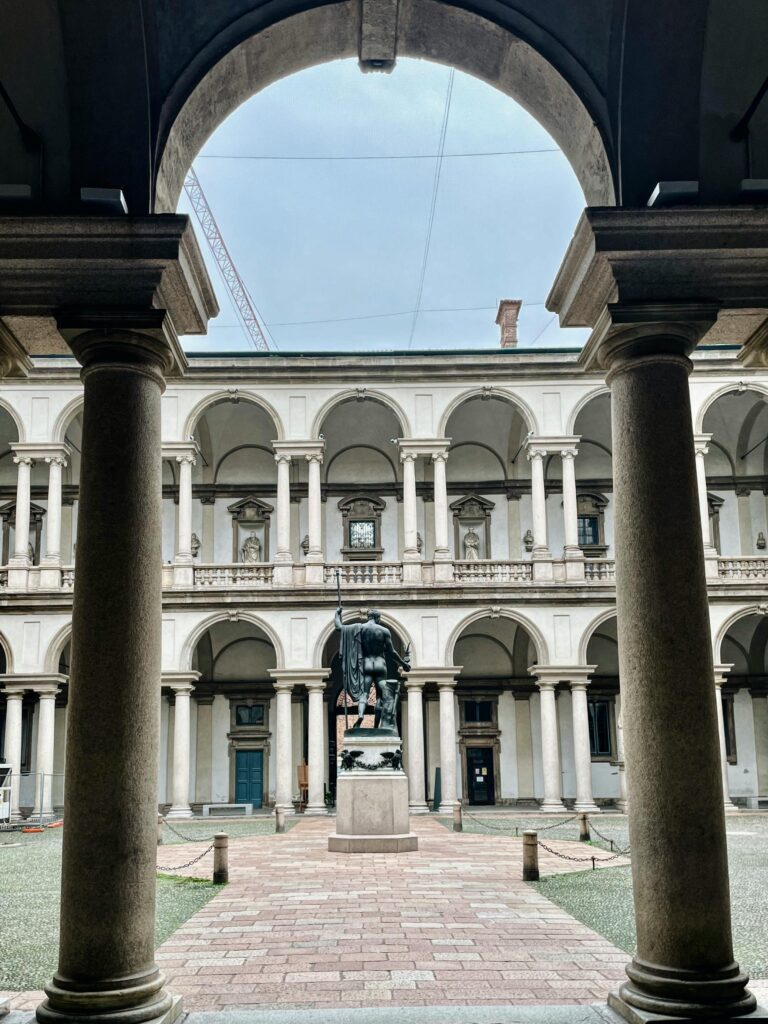
7] Pinacoteca di Brera & Brera District :
It is Milan’s premier public gallery for paintings, housed in the historic Palazzo Brera. It anchors the Brera District, a charming artistic quarter known for its narrow cobblestone streets, antique shops, and bohemian atmosphere.
Trendy Neighbourhoods and Modern Milan
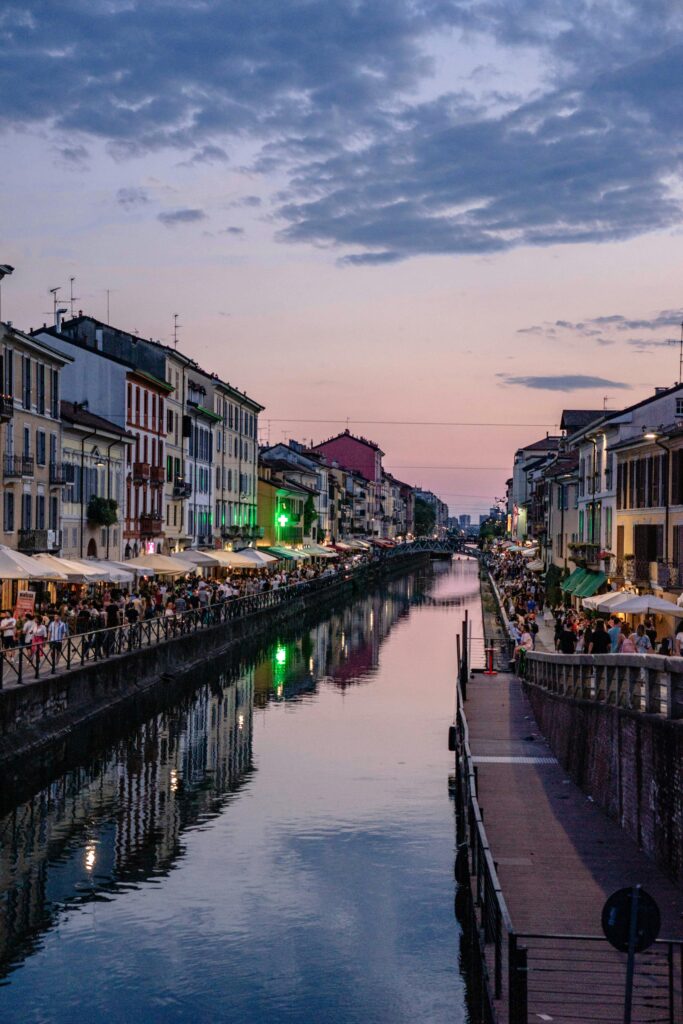
8] Navigli District (The Canals) :
The Navigli District is one of Milan’s most historic and vibrant neighborhoods, centered around its remaining ancient canals, the Naviglio Grande and Naviglio Pavese. Originally a complex network of waterways engineered to transport goods (including the marble for the Duomo), the district has evolved into a major social hub famous for its aperitivo culture, bohemian art studios, and lively nightlife.
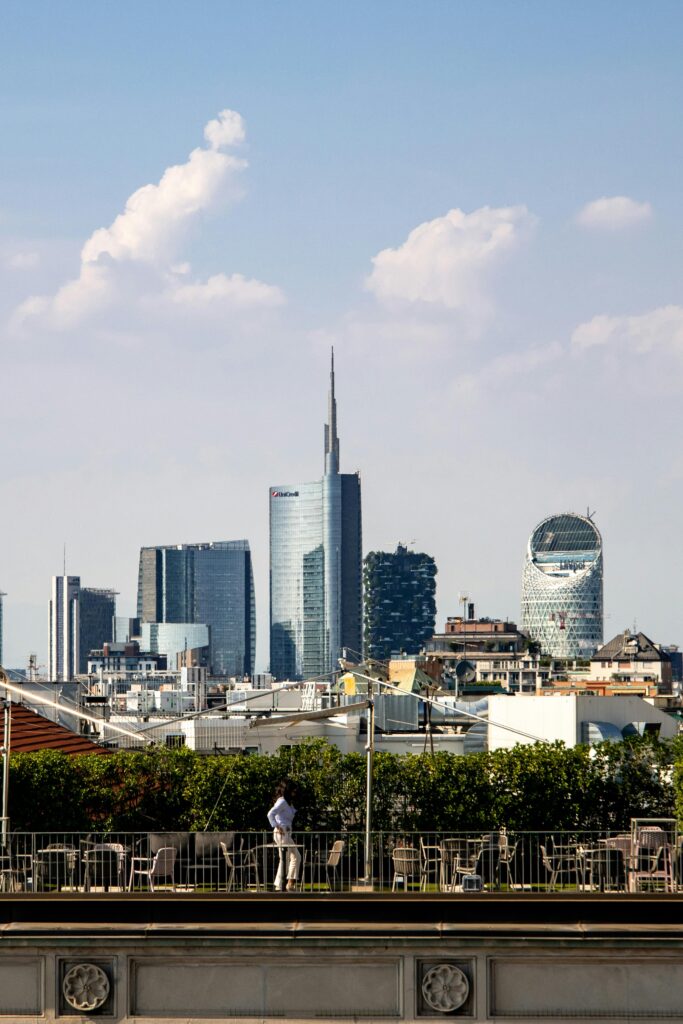
9] Porta Nuova & Bosco Verticale :
Porta Nuova is Milan’s futuristic business district and one of Europe’s largest urban redevelopment projects. It is centered around the elevated Piazza Gae Aulenti, known for its reflective water features and its proximity to the Unicredit Tower, Italy’s tallest building.
Bosco Verticale (Vertical Forest) is the district’s most famous landmark, consisting of two residential towers that host over 900 trees and 20,000 plants. Designed by Stefano Boeri, the project acts as a living ecosystem that improves air quality and regulates the microclimate for its residents.
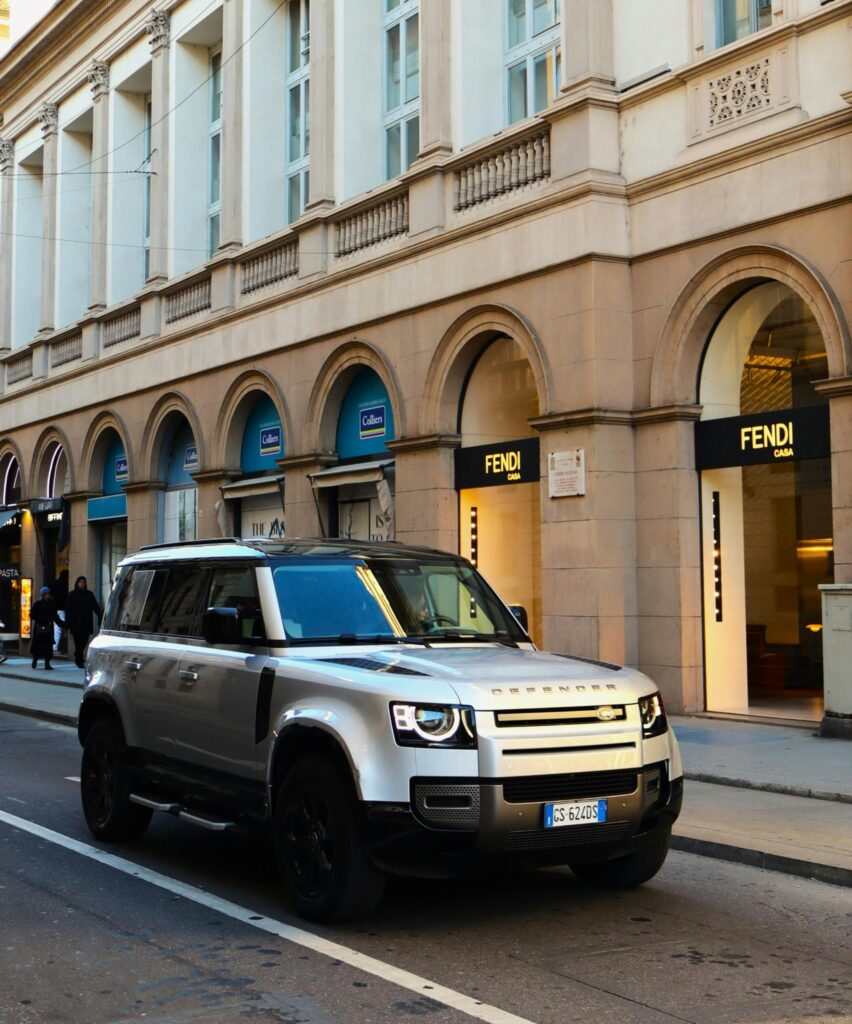
10] Quadrilatero della Moda (Fashion District) :
Quadrilatero della Moda is also known as the Quadrilatero d’Oro (Golden Rectangle), is Milan’s premier luxury shopping district and one of the most prestigious fashion hubs in the world. It is home to the flagship stores of legendary fashion houses like Gucci, Prada, Armani, Versace, and Dolce & Gabbana.
Hidden Gems and Unique Spots
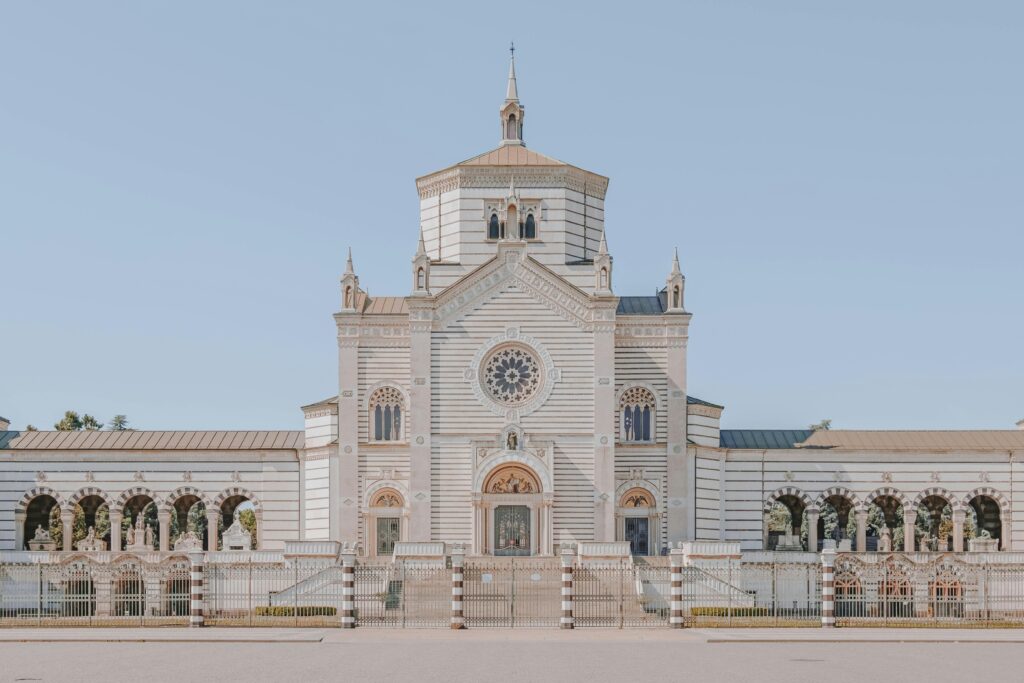
11] Cimitero Monumentale (Open Air Museum) :
It is one of the most famous and artistically significant cemeteries in the world, often described as a vast “open-air museum”. Designed by architect Carlo Maciachini and opened in 1866, it was created to consolidate several smaller burial grounds into a single, grand location.
12] San Bernardino delle Ossa(Bone Chapel) :
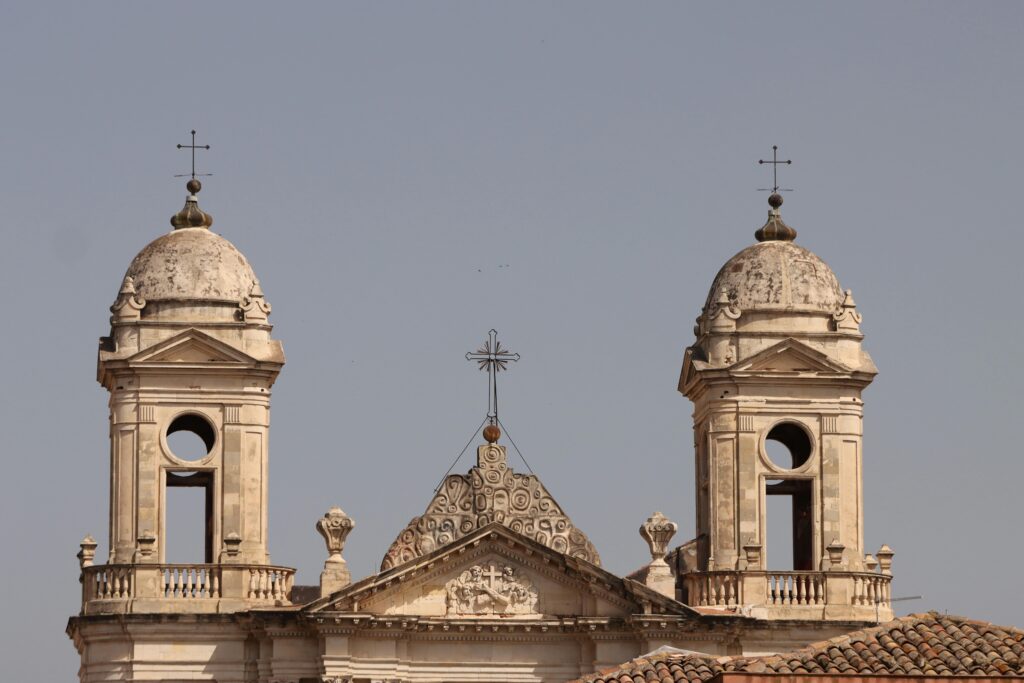
San Bernardino delle Ossa is a historic Catholic church in Milan, Italy, famous for its eerie but beautiful ossuary chapel lined with thousands of human skulls and bones. Located just a short walk from the Duomo, it is a unique site where macabre history meets Baroque and Rococo art.
13] Villa Necchi Campiglio :
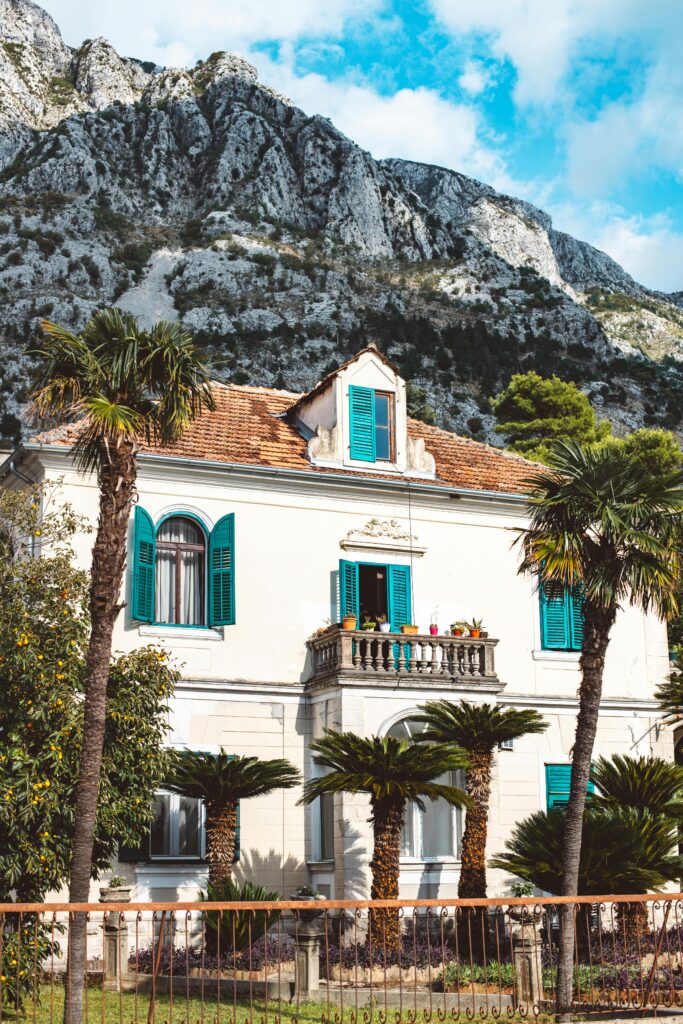
It is a celebrated house museum in the heart of Milan, representing a masterpiece of Italian Rationalist architecture. Designed by architect Piero Portaluppi and built between 1932 and 1935, it was the private residence of the Necchi Campiglio family, prominent industrialists who pioneered the modern Milanese lifestyle.
Best Day Trips from Milan
14] Lake Como (Bellagio and Varenna) :
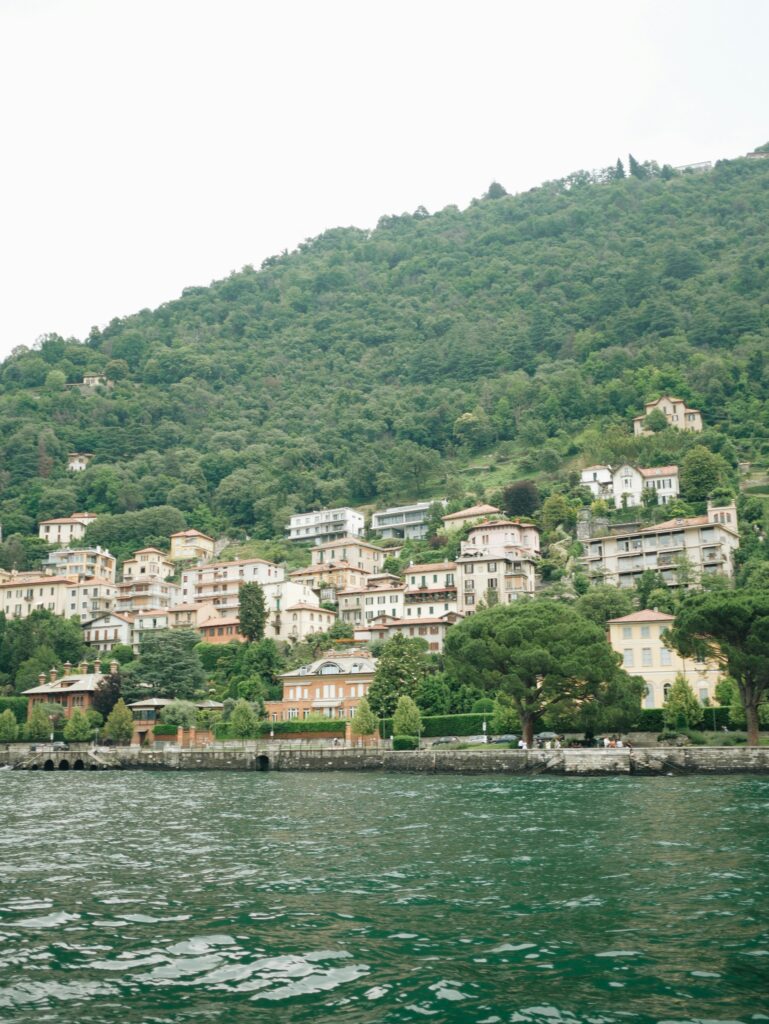
Lake Como , located in northern Italy’s Lombardy region, is a stunning glacial lake famous for its dramatic “Y” shape and alpine backdrop. It is Italy’s third-largest lake and one of the deepest in Europe, renowned for its luxurious villas and picturesque lakeside towns.
15] Bergamo’s Città Alta :
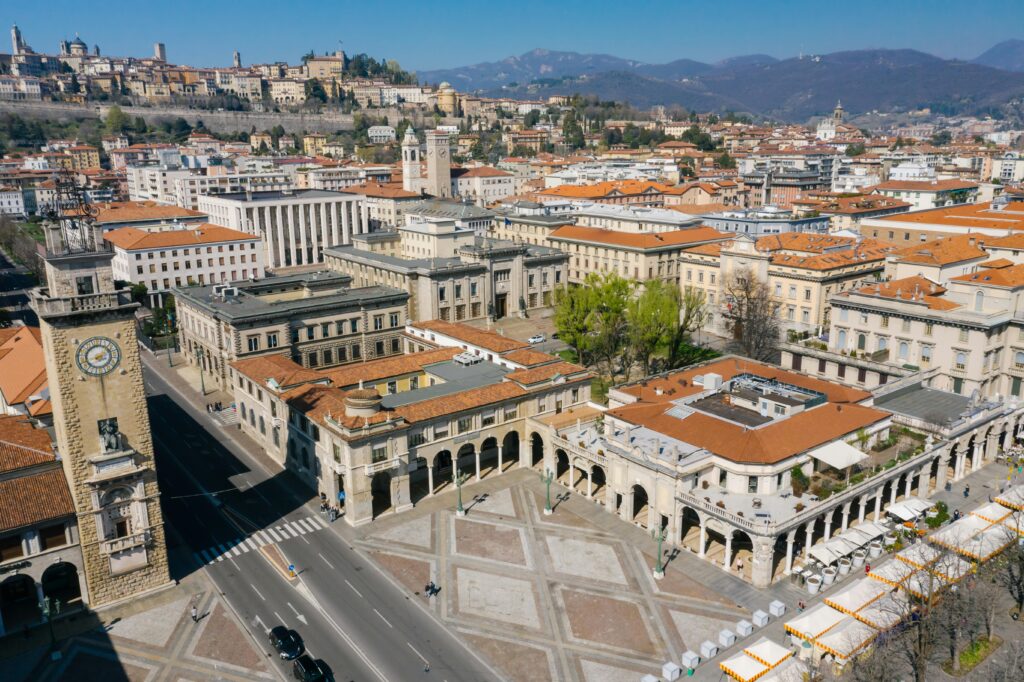
It is the historic hilltop core of Bergamo, Italy, renowned for its beautifully preserved medieval and Renaissance architecture. Enclosed by massive 16th-century Venetian Walls—a UNESCO World Heritage site—the “Upper City” is a maze of cobblestone alleys, elegant squares, and panoramic viewpoints overlooking the modern Città Bassa (Lower City) below.