Exploring the Indian Himalayas : Everything You Need to Know

The Himalayas in India form the world’s highest mountain system, stretching 2,500 km across the northern frontier. They encompass 13 States and Union Territories, including Ladakh, Jammu & Kashmir, Himachal Pradesh, Uttarakhand, Sikkim, and Arunachal Pradesh.
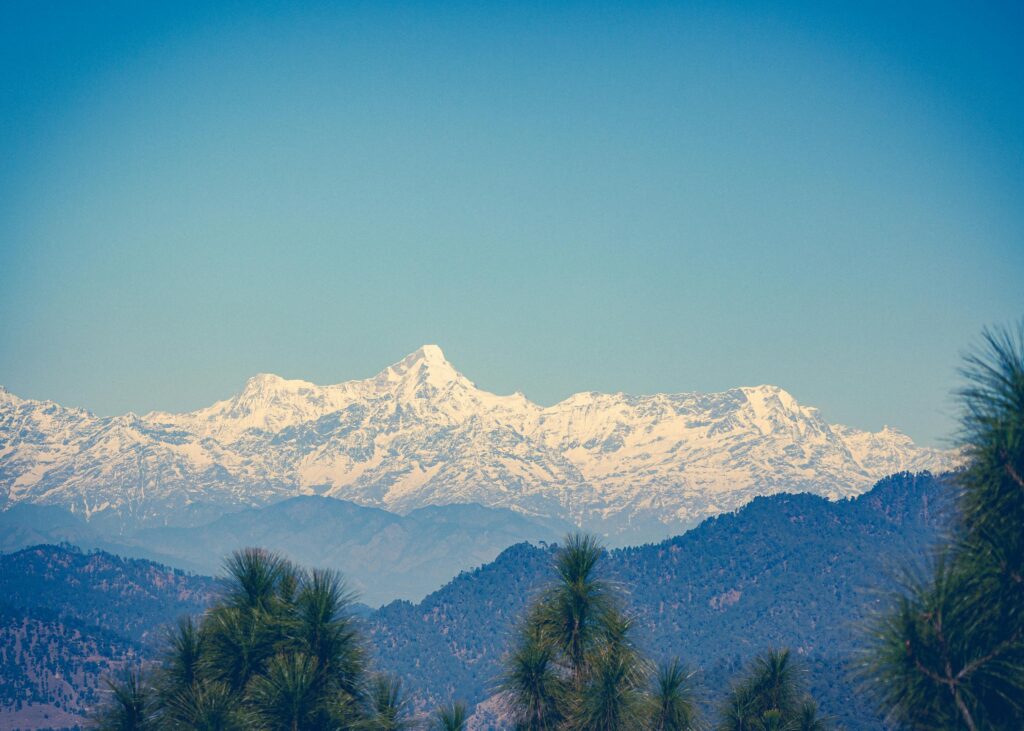
1. Major Geological Ranges
The Indian Himalayas are traditionally divided into three parallel longitudinal belts :
The Greater Himalayas (Himadri) :
The highest, northernmost range with an average elevation of 6,000m. It contains India’s highest peak, Kanchenjunga (8,586m).
The Lesser Himalayas (Himachal):
Located south of the Himadri, with heights of 3,700m to 4,500m. This region is home to famous hill stations like Shimla, Manali, and Darjeeling.
The Lesser Himalayas (Himachal):
The southernmost and youngest range, consisting of low-altitude foothills (900m to 1,200m).
2. Rivers and Lakes
The region is the source of India’s major perennial river systems:
Indus System :
Fed by the Jhelum, Chenab, Ravi, Beas, and Sutlej.
Ganges-Brahmaputra System :
Includes the holy Ganges, Yamuna, and the Brahmaputra.
Major Lakes :
High-altitude lakes like Pangong Tso and Tso Moriri in Ladakh are world-renowned for their beauty.
3. Strategic and Spiritual Importance
Spiritual Hubs :
Home to major pilgrimage sites like Amarnath, Kedarnath, Badrinath, and Buddhist monasteries in Dharamshala and Leh.
Climate & Defense :
They act as a climatic shield, blocking cold Siberian winds and trapping the monsoon to ensure rainfall across India.
Recent Developments :
The Atal Tunnel (9.02 km) recently opened to provide all-weather connectivity to the Lahaul Valley.
4. Current Ecological Status (2026)
Weather Shifts :
A February 2026 study highlights that Western Disturbances are becoming year-round influencers, causing unpredictable snow and rainfall patterns.
Glacial Retreat :
Studies show an approximate 13% decrease in glacial coverage over the last 40–50 years, threatening long-term water security.